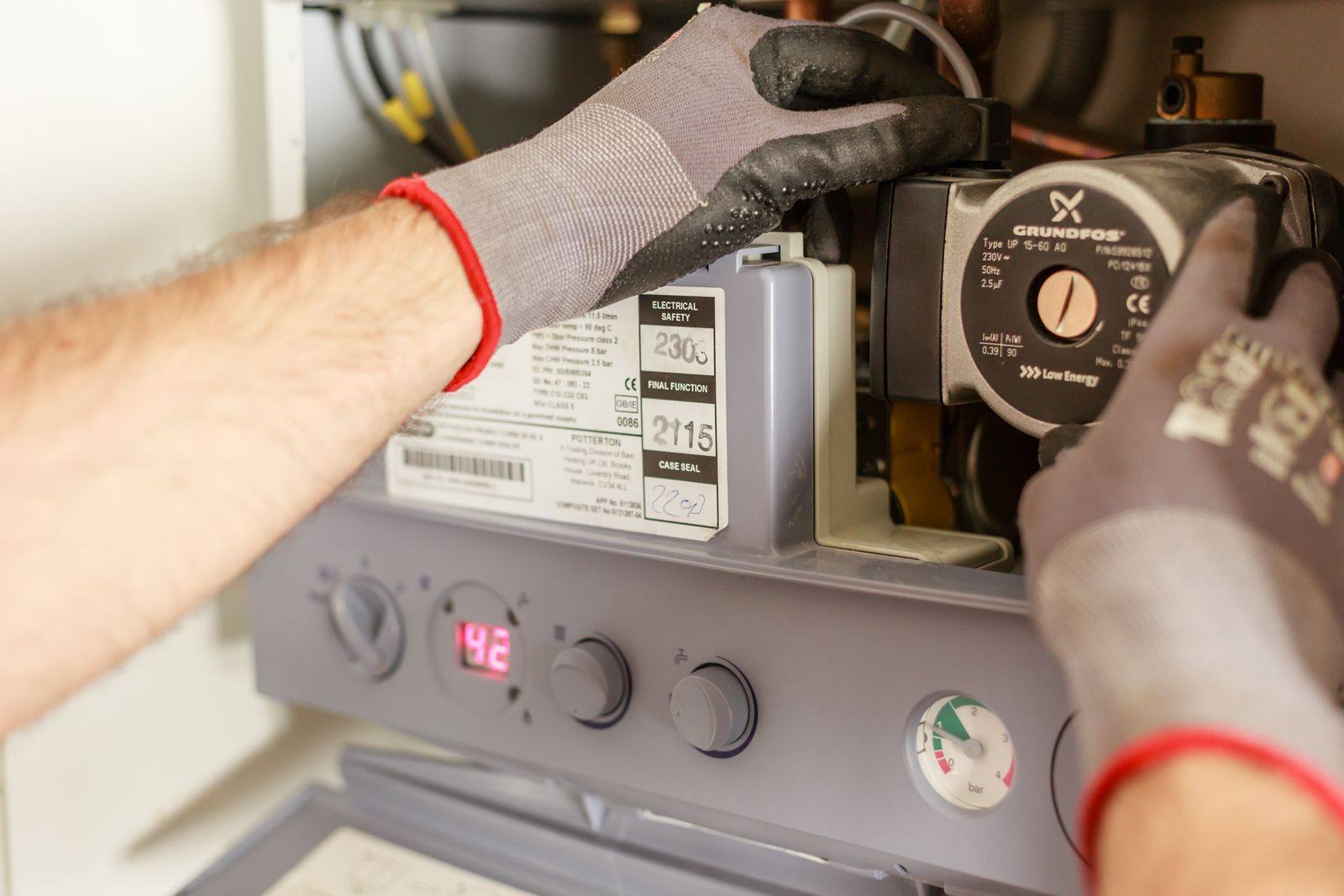
Water heater maintenance in Las Vegas
A water heater is one of the few appliances in a home that fails slowly and then all at once. Years of sediment, a worn-out anode rod, and a relief valve that has never been tested add up quietly — and the first sign of trouble is often a leak. Maintenance is the unglamorous work that stops that from happening: flushing, checking the anode rod, and testing the safety valve, once a year.
Two local factors dominate. The first is heat: garage temperatures in a Las Vegas summer stress components, dry out seals, and make a failing heater fail faster. The second is water hardness — Las Vegas water is among the hardest municipal water in the country, and its minerals lay down sediment in tank heaters and scale in tankless units far faster than in soft-water cities.
Maintenance and tune-ups in Las Vegas are handled through the same request process as repair. Requests are shared with independent local providers who serve Clark County.
What a tune-up includes
- - Flushing the tank — draining sediment from the bottom of the tank before it hardens into a crust. Annual flushing is the single most useful maintenance item, and it matters most where the water carries minerals.
- - Anode-rod check — the sacrificial rod that protects the tank from rust. In mineral-heavy water it can wear out in a few years; once it is gone, the tank itself starts to corrode.
- - Relief-valve test — the temperature and pressure relief valve is the heater's safety valve. It should be tested to make sure it opens and closes properly.
- - Vent and combustion check — for gas units, the venting and combustion air are checked for blockages, corrosion, and backdrafting.
- - Tankless descaling — for tankless units, flushing the heat exchanger with a descaling solution once a year, which keeps efficiency up and error codes away.
How often
Once a year is the standard recommendation for tank heaters, and once a year for tankless descaling. Homes with particularly hard water, or heaters in garages that run hot, benefit from keeping to that schedule rather than stretching it. A heater that has never been flushed will still benefit from a flush — but if sediment has hardened over many years, flushing may not remove it fully.
What maintenance does not do
It does not fix a leaking tank, and it does not reverse years of corrosion. If the tank is already leaking, or the heater is past 10–12 years old and failing in several places, replacement is the honest answer — see the replacement page.
Frequently Asked Questions
How often should I flush my water heater?
Once a year. In Las Vegas, where the water carries minerals, annual flushing keeps sediment from hardening at the bottom of the tank.
What is an anode rod, and why does it matter?
A metal rod inside the tank that corrodes so the tank does not. Checking it every few years and replacing it when worn is the cheapest way to extend a tank heater's life.
Does a tankless heater need maintenance too?
Yes — annual descaling of the heat exchanger. See the tankless page for what that involves.
Can I flush the heater myself?
Some homeowners do, but it involves the gas or power supply, the water supply, and hot water under pressure. If you are not comfortable with that, describe the job in a request and a provider will handle it.